
Industrial & Commercial
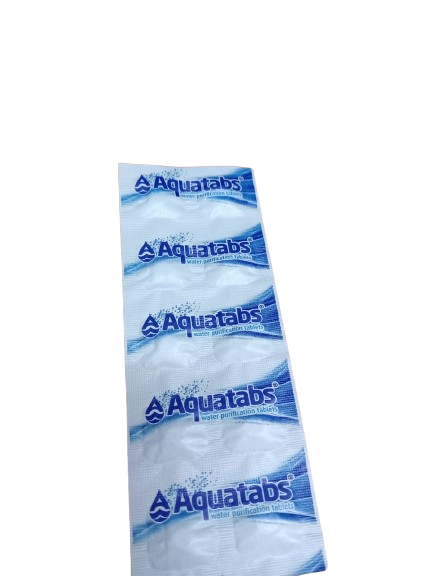
Aquatabs water purification tablets (32,000 tablets) 67mg
Only a few left
- Always read the label before use
- Nairobi area within 2 hours, rest of Kenya within 24 hours. Returns within 30 days. Details
- Payment and delivery cost are confirmed with you in the WhatsApp chat
- Questions? Call or WhatsApp +254 780 939 790
About This Product
67 mg tablets Point-of-use water treatment For a healthy population over 2 years old The simple and effective solution for disinfecting water unfit for consumption Contact an adviser Description Aquatabs® tablets provide targeted and effective protection against certain bacteria and viruses. 1 tablet of 67 mg potabilises 20 litres of water (10 litres in the case of turbid water). Recommended dosages Tablets are available in packs of 10 tablets in different formats depending on the volume and nature of the water to be treated (measured in particles per million – ppm). Total weight of a tablet 67mg
You May Also Need
Industrial & Commercial
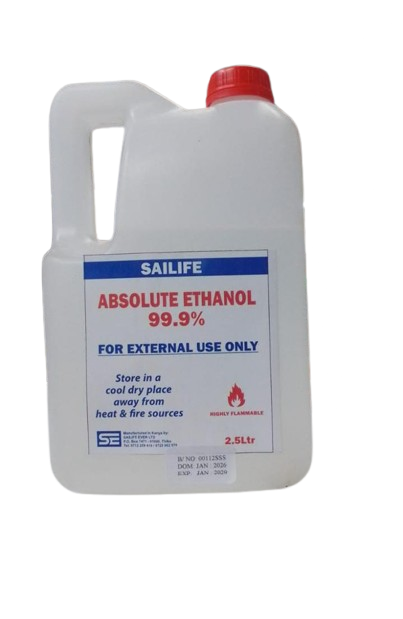
Absolute Ethanol 99.9% 2.5L
Absolute ethanol is high-strength ethanol supplied for solvent and processing applications. The supplied catalogue designation is Absolute Ethanol 99.9%. Confirm the listed 99.9% designation, assay basis, water content and whether the material is denatured. For a quotation from Cuprichem in Nairobi, Kenya, include the exact product name, intended manufacturing application, required quantity and delivery location. Ask for the current supplier specification, batch documentation and available pack sizes before ordering. Price and availability are confirmed on enquiry. Applications of Absolute Ethanol 99.9% Solvent selection and manufacturing processes also Laboratory experiments or Hospitals
Eco Home & Kitchen
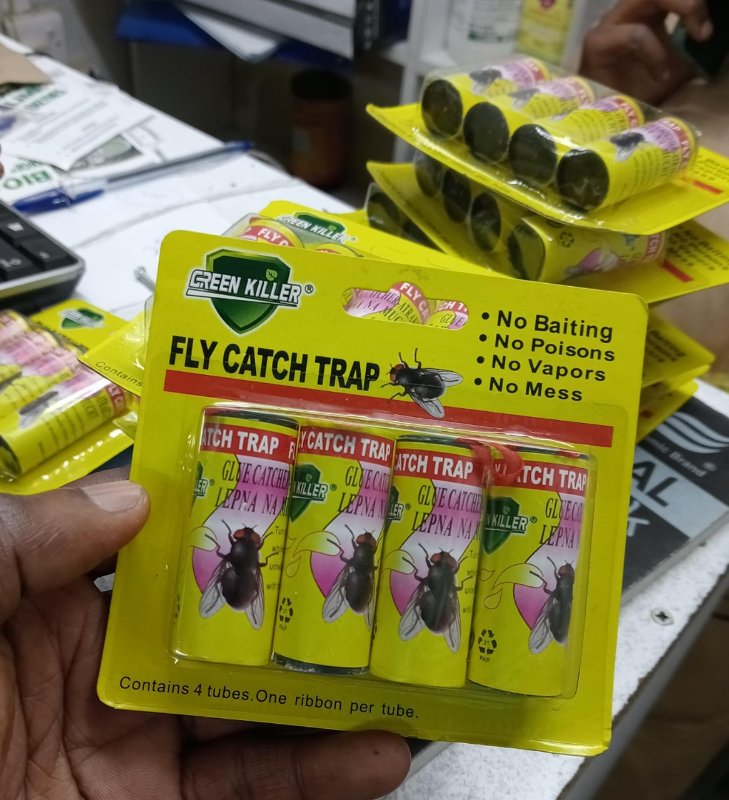
Sticky Flycatcher 2 sizes
Sticky FlyCatchers: It is a roll of sticky paper strip for fly, mosquito and other small flying insects. It is environment friendly and no toxic. Each sticky paper strip stored in a paper tube. Target pests: mosquitoes and flies and other flying insects effect is good. Application: pull into a ribbon, hanging on the fly activity frequent area, covered with so far.
Rodents & Wildlife
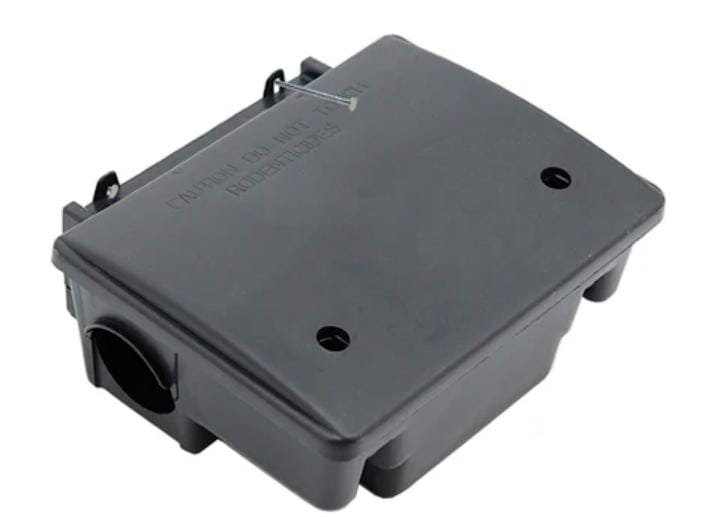
Rats& Mice Bait stations Rectangular
Rodent Monitoring Bait Stations Explained A bait box tucked behind bins or along a warehouse wall can tell you a lot before a rat or mouse problem gets out of hand. That is the real job of rodent monitoring bait stations. They are not just there to hold bait securely. Used properly, they help you confirm activity, track pressure, protect non-target animals and make better decisions about when to escalate from monitoring to treatment. For homeowners, landlords and site managers, that matters because guessing is expensive. For pest control technicians, it matters because a station network that is well placed and checked properly gives you evidence, not assumptions. What rodent monitoring bait stations actually do Rodent monitoring bait stations are lockable containers designed to hold monitoring blocks, non-toxic bait, tracking media or, in some cases, treatment bait where legally and operationally appropriate. Their first purpose is control of access. They help prevent children, pets, wildlife and non-target species from reaching what is inside, while also giving rodents a sheltered point to investigate. The second purpose is monitoring behaviour. Rodents are cautious, particularly rats. They prefer to move along edges, behind stored items, under pallets and close to harbourage. A station placed on those routes becomes a checkpoint. If the insert has been gnawed, moved or marked, you have proof of activity and a clearer idea of where pressure is building. That distinction matters. Monitoring stations are about detection and trend. Treatment stations are about control. In practice, one housing may be used for either role, but the strategy is different. When monitoring stations make more sense than immediate baiting A lot of people want to start with poison straight away. Sometimes that is justified, especially where there is confirmed rat activity, food contamination risk or signs of rapid population growth. But there are plenty of situations where monitoring first is the better approach. If you have scratching in a cavity wall but no droppings, no sightings and no obvious access point, monitoring helps confirm whether you are dealing with mice, rats or even a non-rodent issue. In food handling areas, plant rooms, communal bin stores, farm outbuildings and voids, monitoring also creates a record of pest pressure over time. That can be useful for compliance, contractor reporting and deciding whether proofing work is reducing activity. There is also a practical advantage. Rodenticide should not be used casually. Overuse, poor placement and failure to remove bait after control can all create avoidable risk. Monitoring gives you a more controlled starting point. Rodent monitoring bait stations for rats and mice The station itself is only part of the setup. Rat and mouse behaviour should shape your plan. Rats Rats are larger, stronger and often more suspicious of new objects. External rat stations usually need to be heavier duty, large enough to encourage entry and secure enough to resist tampering. Along boundary lines, near drains, beside sheds, around livestock areas and at the back of commercial premises are common positions. If the station is too exposed, too light or placed away from a natural run, results can be poor even when rats are present. Mice Mice range more widely indoors and will often investigate tighter spaces. Smaller stations can work well behind appliances, in ceiling voids, along wall-floor junctions, in risers and under counters. Because mice feed little and often, signs inside a station may be more subtle. Light nibbling, smear marks or small droppings can all be useful indicators. Choosing the right station Not all stations suit all jobs. A domestic user monitoring around a garage has different needs from a technician servicing a farm or food site. Build quality matters. A flimsy station may be acceptable in a low-risk indoor setting, but outdoors it needs to cope with weather, dirt and repeated inspection. Locking systems matter too. A station should close positively and stay closed. If it can be opened easily, it is not doing its job. Internal layout is worth checking. Some stations take blocks on rods, some accept trays, and some allow for trap placement as well as bait. That flexibility can be useful where you want one format for different stages of a job. The trade-off is size. A more versatile station is often bulkier, which is not always ideal in tight internal areas. Anchoring is another point people overlook. A station that can be kicked, dragged or carried off is less reliable. On hard standings, fixing brackets or weighted bases may be needed. On soil, spikes or concealed placement can help.
Only a few left